Landlords in England must have a valid EICR for each rented property, renewed at least every five years. The report inspects the wiring, consumer unit, earthing, and bonding, and codes any issues as C1, C2, C3, or FI. A property is satisfactory if it has no C1 or C2 codes. Vartia Electrics carries out EICRs from £150 to £350 and issues the Landlord Electrical Safety Certificate.
If you let a property in England, the electrics are your responsibility, and the law now sets a clear standard for how they are checked. The EICR is the inspection that proves your installation is safe. This guide explains what the report covers, how often you need one, and how to read the codes so you know exactly where your property stands.
What an EICR Is
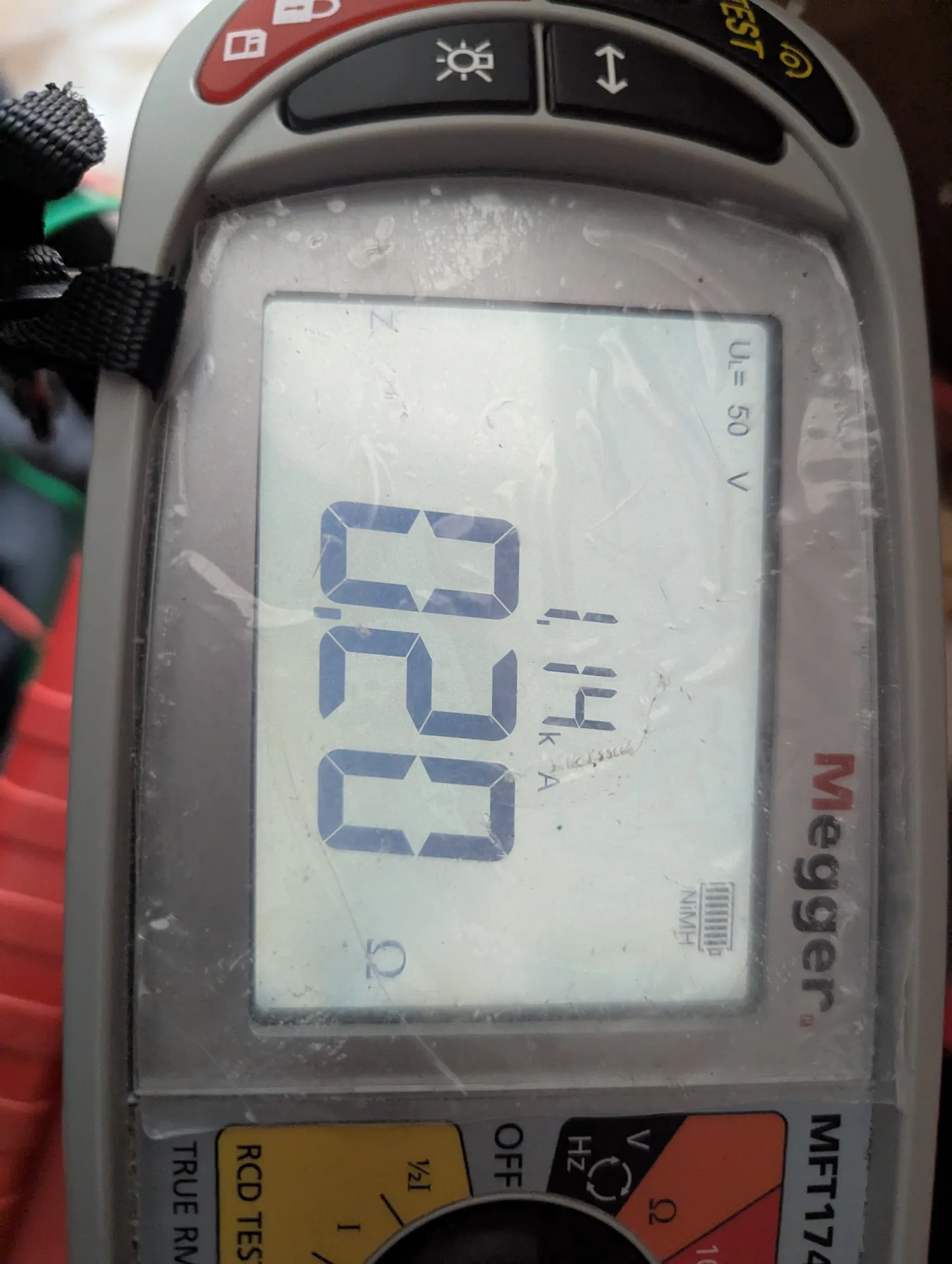
EICR stands for Electrical Installation Condition Report. It is a thorough inspection and test of the fixed electrical installation in a property, carried out by a qualified electrician. You may also see it called a Landlord Electrical Safety Certificate, which is the same report used to satisfy the rules for rented homes. At the end, you receive a written report that records the condition of the installation and either passes it as satisfactory or lists what needs putting right.
What an EICR Checks
The inspection looks at the fixed wiring and the parts connected to it, not portable appliances. In a typical report we check:
- The wiring: the condition of the cables throughout the property, looking for damage, wear, overheating, and any work that does not meet the standard.
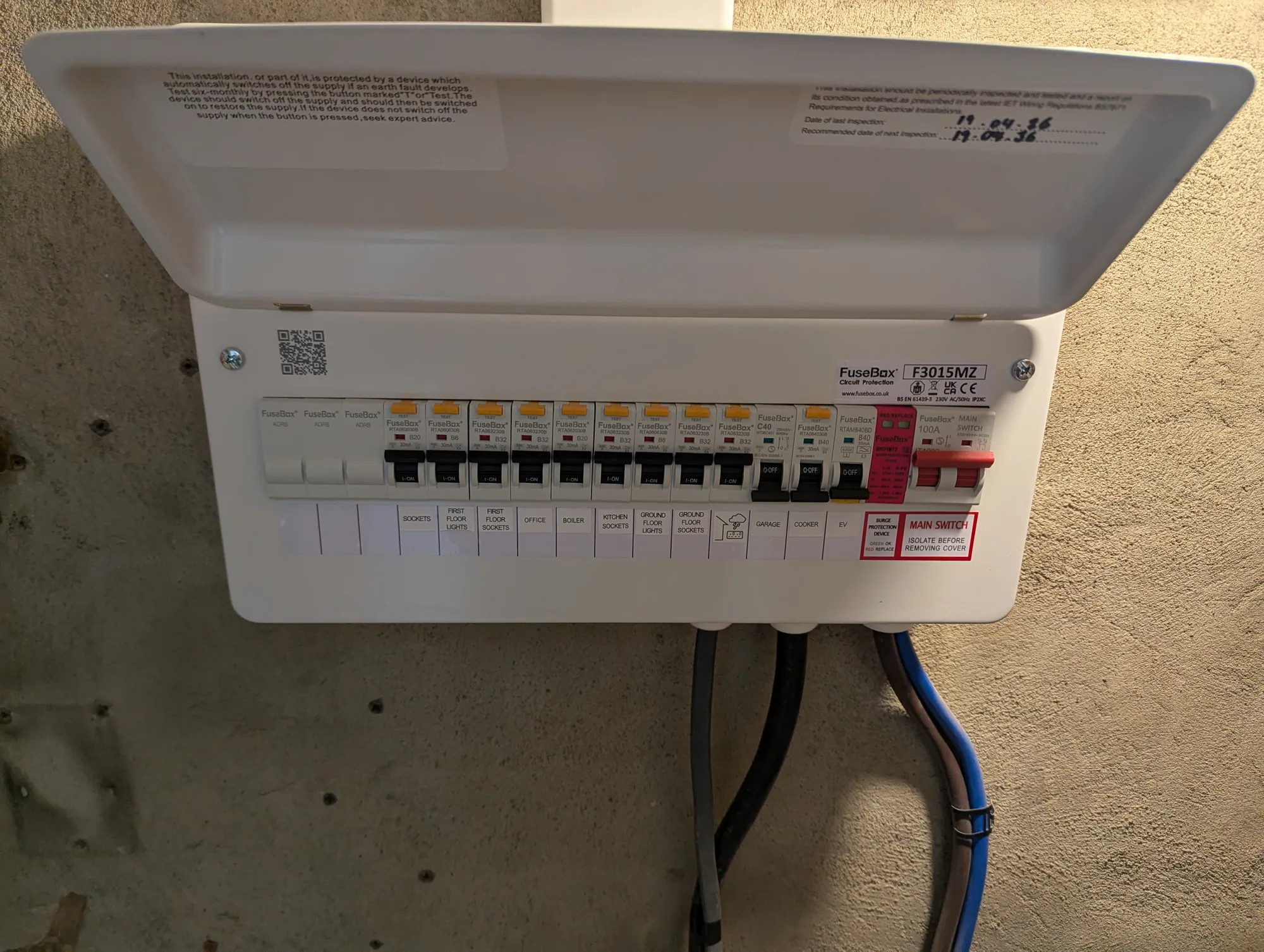
- The consumer unit: the fuse box itself, including whether it provides RCD protection and whether the protective devices are correct for the circuits they serve.
- Earthing and bonding: the connections that keep the installation safe in a fault, including the main earthing and the bonding to gas and water services.
- Sockets and switches: a check of accessories for damage, secure fixing, correct wiring, and signs of overheating.
- General condition: anything that could present a shock or fire risk, or that no longer meets the current standard for a safe installation.
Each observation is then given a code, which is where the report tells you how urgent any issue is.
Need an EICR for Your Rental?
Call Vartia Electrics on 020 8144 1428. We are a Which? Trusted Trader and issue the Landlord Electrical Safety Certificate across Sidcup, Bexley, and the surrounding areas.
Book an EICRThe Legal Requirement
Since the rules came into force, private landlords in England must have the electrical installation in each rented property inspected and tested by a qualified person. In practice that means:
- A valid EICR for every let property: the installation must be inspected and tested at least every five years, and more often if the report recommends it.
- A copy to your tenants: you must give a copy of the report to existing tenants, and to new tenants before they move in.
- Remedial work on time: where the report requires action, the work must be carried out within the timescale stated on the report, and you must obtain written confirmation that it is done.
- Records kept: keep the report safe, as your local authority can request it and there are penalties for not meeting the requirement.
The five-year interval is a maximum. If the electrician recommends an earlier retest on the report, that shorter interval is the one to follow.
What the Codes Mean
Every issue found on an EICR is given one of four codes. Understanding them tells you at a glance whether your property has passed and what, if anything, needs doing.
- C1, danger present: a risk of injury exists and immediate action is required. A C1 means the installation is not safe as it is, and it should be made safe straight away.
- C2, potentially dangerous: not an immediate danger, but a fault that could become dangerous. C2 items need putting right promptly.
- C3, improvement recommended: the installation is safe, but bringing this item up to the current standard would improve it. C3 does not, on its own, make a report unsatisfactory.
- FI, further investigation: something has been found that needs looking into more closely before its true condition can be confirmed.
A property is recorded as satisfactory when it has no C1, C2, or FI observations. If any C1, C2, or FI is present, the report is marked unsatisfactory and the relevant work must be carried out before it will pass. C3 items are worth addressing but do not fail the report. If your board itself is flagged, our guide to the signs you need a fuse box upgrade explains what a modern board offers.
Cost Guide
An EICR is a fixed inspection, and the cost depends mainly on the size of the property and the number of circuits.
- EICR inspection: £150 to £350 depending on the size of the property and the number of circuits to test.
- Remedial work: if the report finds C1 or C2 items, the cost of putting them right depends on what is found. We explain each item and give you a clear price before any work begins.
- Larger rewiring work: where an installation is beyond economical repair, a full or partial rewire may be recommended, and we will set that out plainly rather than adding surprises later.
You receive the full report and the Landlord Electrical Safety Certificate, and we talk you through anything that needs attention so you can meet your obligations with confidence.
Frequently Asked Questions
At least every five years for a rented home in England, and sooner if the report recommends an earlier retest or if there is a change to the installation. The date of the next inspection is stated on the report itself.
Yes. The Electrical Installation Condition Report is the document landlords use to meet the electrical safety requirement, so it is often called a Landlord Electrical Safety Certificate. It is the same inspection and the same report.
An unsatisfactory report means there is at least one C1, C2, or FI item to address. The required work must be carried out within the timescale on the report, and you should keep written confirmation that it has been completed. We can quote for and carry out the remedial work for you.
No. A C3 means an improvement is recommended, not that anything is dangerous, so a property with only C3 items is still recorded as satisfactory. It is worth considering the improvement, but it does not fail the report or require action to comply.